The blame game: France’s 2026 wildfires
CRJ’s Junior Editorial Assistant, Jasmine Jobber, takes a look at why France’s wildfire crisis demands a new culture of shared responsibility.
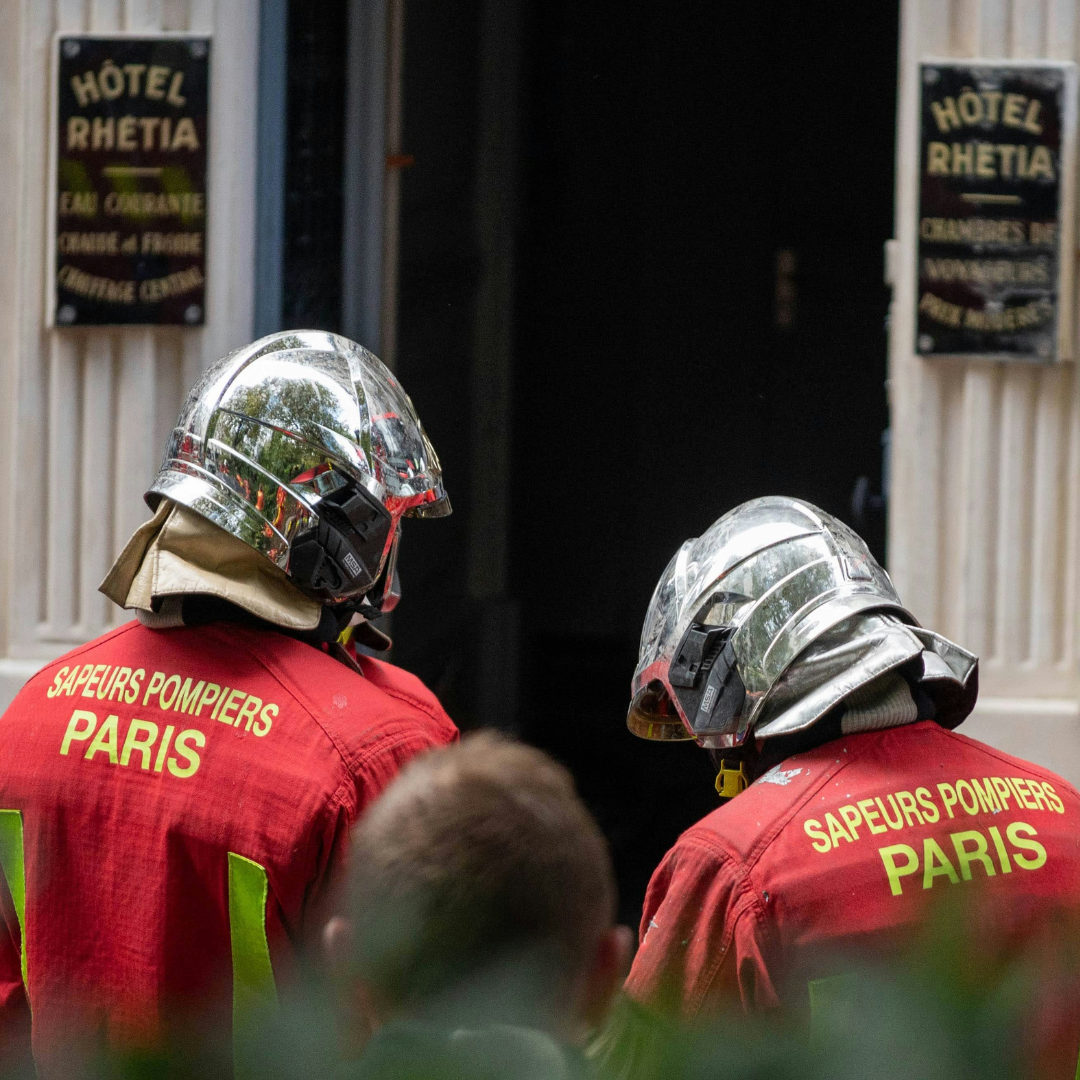
Image by Oscar Brouchot | Unsplash
Being in France this summer, it is impossible to escape the defining crisis of the season. Writing from a small town hundreds of kilometres from the active fire fronts, the wildfires are still a constant presence in headlines and everyday conversations. Even here, the smell of smoke at times hangs in the air.
This year, the country is facing its most devastating wildfire season on record. Since January, more than 13,500 fires have burnt over 116,000 hectares, surpassing the 2022 season. As megafires reach the outskirts of major cities such as Bordeaux, forcing large-scale evacuations, the national atmosphere is thick with anxiety. And amid that anxiety, one question has become increasingly urgent: who is responsible for preventing the next disaster?
In July 2026, French Prime Minister Sébastien Lecornu announced a rather striking statistic: nine out of ten forest fires are human-caused. Yet as smoke drifts across the country, a deeper issue is emerging. How we understand responsibility is shaped not only by policy, but by culture, by what we expect from the state, our communities, and each other. In an increasingly fire-prone future, we may need to rethink where responsibility lies and how it is shared – and that starts with shared ideologies that overtake public discourse.
In the anxious public discussion, the fires have become increasingly synonymous with deliberate arson. Public and media attention has focused intensely on the 162 people detained on suspicion of arson since July 6. High-profile cases have only intensified that focus, such as the 23-year-old accused of starting ten fires in five days in the Var and a volunteer firefighter who confessed to starting a fire in the Fontainebleau forest.
But deliberate arson is only a fraction of the threat. Most human-caused fires begin in much more ordinary ways: a discarded cigarette, an unattended barbecue, or construction and agricultural work undertaken without sufficient precautions during high-risk conditions.
French sociologist Denis Duclos offers an explanation for this obsession with arsonists: the scapegoat, or bouc émissaire. He describes the search for a scapegoat during crises as a widespread ‘symbolic reflex’: complex threats become easier to understand when blame can be attached to a recognisable villain. Similarly, sociologist Joseph Gusfield defined this under the figure of the ‘drunk driver.’ By concentrating blame on an irresponsible individual, attention could shift away from wider factors such as road design and vehicle safety.
The arsonist can play a similar role, a visible villain who draws attention away from the underlying factors that make wildfires so destructive, from flammable pine monocultures to our own everyday carelessness that contributes to collective fire risk.
Beyond the scapegoat
Blame, however, is only half the story; just as revealing is where we look for protection in the first place. In France, the answer has traditionally been the state. As environmental risk management has shifted from rural, self-managing communities towards centralised state services, researchers have identified a biais de déresponsabilisation: the tendency to see prevention as somebody else's responsibility.
That does not mean the state should retreat. France’s professional emergency services remain essential, but even the best-equipped state has its limits. At the peak of this summer’s crisis, only five of France's twelve Canadair water bombers were operational. Additionally, climate change is creating conditions that can overwhelm even the most sophisticated firefighting systems. The shift, then, is not from state responsibility to individual responsibility. It is from state responsibility alone to shared responsibility.
France already offers a starting point. Community-led Opérations Volontaires de Débroussaillement (OVDs) can transform mandatory brush clearance from an individual legal chore into collective neighbourhood protection. Tax incentives and insurance mechanisms could encourage more people to take part, which is crucial given that historically, 90 per cent of homes destroyed by wildfires were on land where the surrounding vegetation had not been properly cleared.
There are lessons beyond France as well. Across the Pyrenees, the Fire-Adapt project is reviving sylvopastoralism in high-risk areas, paying shepherds to graze livestock that might otherwise become fuel for wildfires. It is a notable example of an old local practice finding a new purpose in a warming climate. Over an entirely new continent, Australia’s ‘shared responsibility’ model places greater emphasis on household emergency planning, community preparedness, and early evacuation, proving that citizens do not replace firefighters, but become active participants in their own protection.
Perhaps the question should no longer simply be ‘who lit the match?’ but ‘what can we collectively do before the next one is struck?’ Building resilience in a warming world will require more than firefighting capacity; it will require a culture of shared responsibility.
Jasmine Jobber is CRJ’s Junior Editor Assistant and a global humanitarian studies student at University College London, UK.