Preparing for war or wildfires?
CRJ’s advisory panel member Erik de Soir argues that countries need to build the same interoperability for disaster response that they are developing for defence.
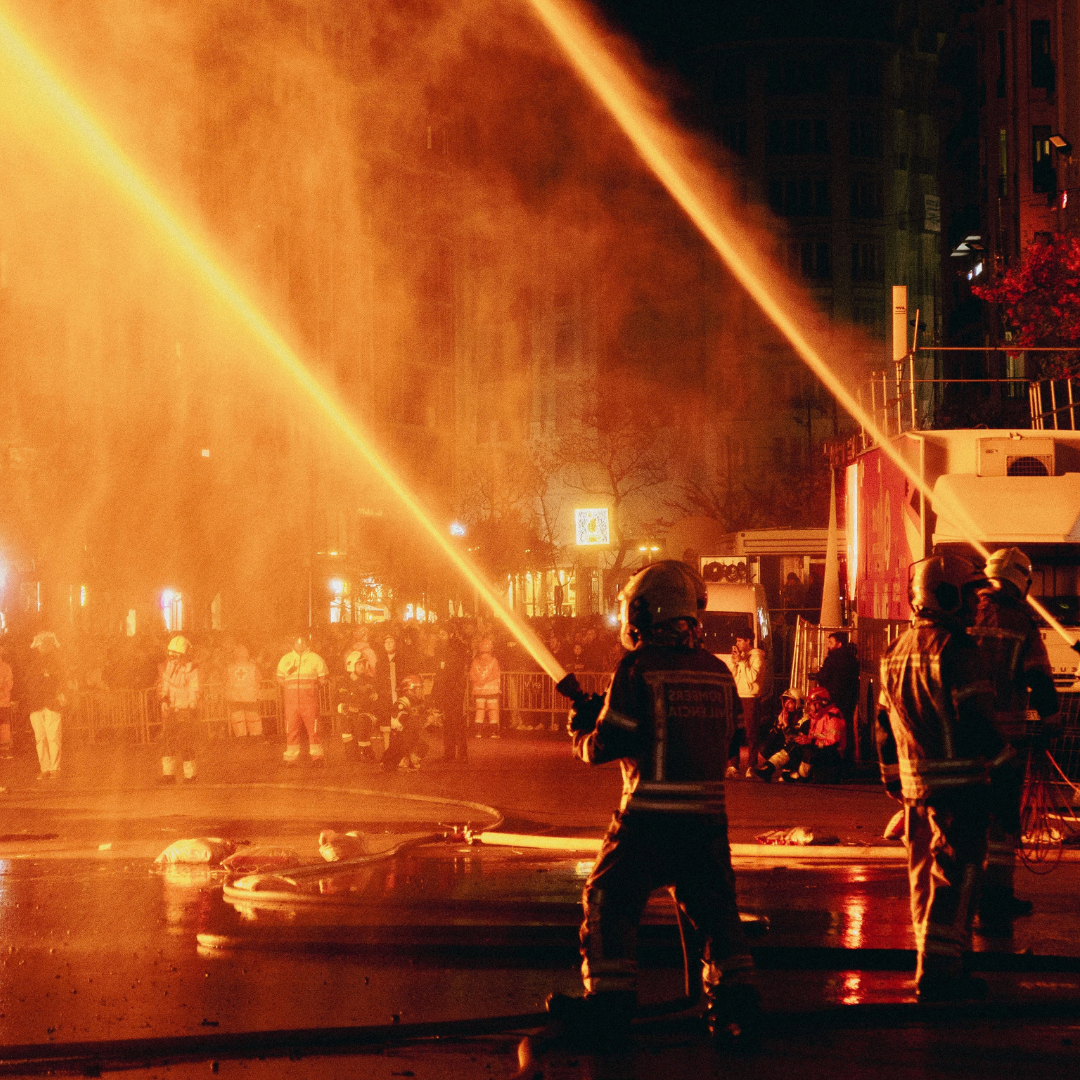
Image by Archangesk MediaPool | Pexels
As we’re witnessing it, Europe is rediscovering the language of preparedness. We speak about defence expenditure, NATO interoperability, hybrid threats, cyberattacks, critical infrastructure, and the ability of countries to support one another when national capacity is under pressure.
But, there is another threat for which exactly the same principle deserves far more attention: wildfire. Summer after summer, Europe watches forests, villages, and landscapes burn. The fires are becoming harder to dismiss as a problem belonging mainly to southern Europe. Heat, drought and changing vegetation conditions are shifting risk northwards, while communities are expanding into areas where vegetation and housing increasingly meet.
The response is often predictable. After catastrophic fires, we ask whether countries need more aircraft, more helicopters, and more firefighters. Usually they do, but that is only part of the answer. The most important water drop may be the one that never needs to happen because vegetation was managed beforehand, the most successful evacuation may be the one whose routes were planned years earlier, and the fastest international reinforcement may be the team that already knows how the receiving country’s command system works.
That is where Europe can learn from the defence world. Interoperability is not simply having resources; rather, it is ensuring that resources can work together immediately. A Portuguese firefighter reinforcing French crews, a Belgian team deploying to Spain, or a Swedish aircraft supporting operations in Greece should not first have to discover during an emergency how communications, maps, airspace co-ordination or command structures operate.
Those relationships should already exist. Europe has made considerable progress through the EU Civil Protection Mechanism and rescEU. The next step should be to develop a genuine culture of interoperable preparedness: common operational concepts, more joint exercises, compatible communications, better pre-positioning of resources, and a shared picture of developing risks.
Professional emergency services, however, are only half of the equation. The population must become part of Europe's resilience capacity. Citizens should know what a wildfire warning means before they receive one. Families in risk areas should know where they would go, what they would take, and how they would help elderly relatives. Campsites and tourist facilities should know how they would move hundreds of people quickly. Care homes should not first calculate their transport needs when smoke is already visible.
Preparedness must therefore become more behavioural. Instead of being “there is an extreme fire risk,” it should be “this is what you should do.” That means training, local risk information, seasonal preparedness campaigns, clear evacuation procedures, and warning messages that immediately translate danger into action.
It also means thinking beyond the fire service. A megafire can threaten power supplies, roads, hospitals, telecommunications, water resources, and air quality at the same time. It can trigger mass evacuation and require police, military, medical, logistical, and voluntary resources simultaneously.
The fire therefore becomes a societal crisis, and that makes wildfire part of a much broader resilience discussion. Europe is currently investing heavily in capabilities that can often serve more than one purpose: drones, satellite monitoring, secure communications, strategic transport, engineering, logistics, and medical capacity. Wherever possible, those investments should strengthen both defence and civil protection.
That does not mean militarising disaster response, rather being intelligent about resilience. The same helicopter that supports military mobility can move supplies during floods or assist during wildfires. The same secure communication network that matters during a cyberattack matters when telephone networks fail during mass evacuation. The same satellite intelligence that supports security can map an evolving fire front.
In an increasingly turbulent world, resilience should not be organised in separate boxes. Wildfire, flooding, cyberattack, sabotage and war are different threats, but they all test the same thing: whether institutions that normally work separately can function together when conditions become extreme.
That is why the wildfire season should never start when the first forest burns. It should start in winter or when governments decide where resources will be positioned, when international teams exercise together, when municipalities reduce fuel loads, when evacuation routes are tested and when residents are taught how to respond.
Europe has learned that you do not build military interoperability during a war. We should apply the same lesson to disaster response. When the next extreme fire begins, the question should not be whether Europe can organise itself quickly enough. The organisation should already be there.
Major (Ret) Dr Erik de Soir, PhD, is a Belgian clinical psychologist and psychotraumatologist specialising in crisis psychology, traumatic stress, and the psychosocial support of military personnel, firefighters, and emergency responders.